


As a business owner or marketer, it's easy to get caught up in the excitement of generating new leads, as after all, new leads are the lifeblood of any business, representing potential to contribute to your bottom line. However, it's important to remember that not all leads are created equal, and not all of them are ready to buy from you right away. Patience and persistence are required by markets to developing relations with potential customers, nursing them over time to become paying customers.
Marketing Strategy Blog - Page 8

We’ve all been there. When we’re tired, your meal takes longer than you feel it should, or simply, you are frustrated with something that you deem to be basic but becomes very hard. I’m guilty of being “that” customer who desperately needs a revision mirror in that moment and have placed the blame on innocent customer service agents who are simply just doing their job.
Bad customer service is one thing, but quite often the actual customer needs to look in the mirror and see themselves.

Interpersonal conflicts are common in every business environment. Dealing with difficult people is an inevitable part of the workplace, and can be challenging, particularly when they constantly talk over you, one-up you, and don't respect what you say. Such individuals can be aggressive, dismissive, unresponsive, or just plain rude. When they dominate conversations, belittle your ideas, or refuse to acknowledge your contributions, it can make you feel devalued, frustrated, and even demotivated.
Understanding the underlying psychology behind their behaviour can give you a different perspective and help you develop effective coping strategies. By acknowledging their motives and learning how to respond to their behaviour, you can assert yourself confidently and maintain your composure. This not only improves your work environment but also helps you build stronger relationships with your colleagues, customers, and clients.
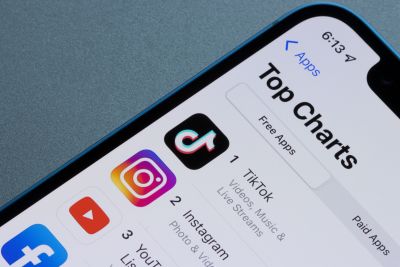
Social media has become an essential tool in modern-day marketing strategies. By leveraging platforms like Instagram, TikTok, Facebook, and Twitter, businesses can reach a broad audience and engage with their target audience on a more personal level. Social media allows businesses to showcase their products or services, build brand awareness, and connect with customers through regular posts, promotions, and user-generated content, and ultimately boost sales. Additionally, social media platforms offer a wealth of data and analytics to help businesses understand their audience and tailor their marketing strategies to better reach their target audience.
Consumer behaviour is a complex process that is influenced by various factors such as culture, social class, personal beliefs, and experiences. Understanding consumer behaviour is crucial for businesses that aim to succeed in today's competitive market. By understanding their target audience's buying behaviour, companies can create effective marketing strategies, improve customer service, and drive sales.
Creating engaging and interactive content has become an essential part of any successful marketing strategy. With the rise of social media and mobile devices, audiences have become increasingly accustomed to consuming interactive content that they can engage with and share. Interactive content, such as interactive infographics and videos, provides a unique opportunity to connect with your audience in new and exciting ways.

As a business owner or marketer, it's easy to get caught up in the excitement of generating new leads, as after all, new leads are the lifeblood of any business, representing potential to contribute to your bottom line. However, it's important to remember that not all leads are created equal, and not all of them are ready to buy from you right away. Patience and persistence are required by markets to developing relations with potential customers, nursing them over time to become paying customers.

With so many events taking place every day, it can be challenging to stand out and capture the attention of your target audience. This is where innovative event marketing comes in. Innovative event marketing involves using creative and unconventional methods to promote and market your event, to create a unique experience for attendees and attract a larger audience.

Social media has become a ubiquitous aspect of modern society, with billions of people around the world engaging with these digital platforms daily. In recent years, the power of social media has become increasingly apparent in the realm of event marketing. Whether it is a corporate conference, music festival, or sporting event, social media has the potential to significantly boost attendance and engagement.

As an entrepreneur, you may know that marketing is a critical aspect when growing your business. Success is no longer guaranteed simply by creating good products or services as consumers demand more from businesses. Consumers are now looking for a transactional relationship with brands and this means they want to associate with businesses they believe in that align with their core values.
LinkedIn is a professional social networking website that has become a crucial tool for individuals and businesses looking to expand their professional networks and promote themselves as a brand. With over 700 million users worldwide, LinkedIn has emerged as a powerful platform for professionals to connect with each other and build meaningful relationships.

As technology continues to advance, marketing is not left out of the picture. With the development of GPT-4, the next generation of AI-powered marketing tools, businesses can expect even more personalised, intuitive, and effective marketing strategies.
TikTok has rapidly become one of the most popular social media platforms in the world, with over one billion active users. Originally designed as a platform for short form lip-syncing videos, TikTok has evolved to include a wide range of content, including dance challenges, comedy skits, and even educational content.
Traditional advertising methods, such as TV and print ads, must capture consumers' attention. The rise of experiential marketing, also known as engagement marketing or event marketing, has become a popular way for brands to create memorable experiences for their customers.

You're scrolling through your social media feed, and you come across a post from one of your favourites. This isn't just any ordinary post; it features an authentic photo or video from someone who has used the product or service, sharing their experience. It could be a glowing review or a humorous and relatable story. Whatever it is, it catches your attention and piques your interest.