


Software as a Service (SaaS) businesses are facing fierce competition when it comes to gaining brand awareness in the market. With countless new startups entering the scene and established players vying for attention, achieving brand recognition can be a daunting task. However, with the right strategies and a focused approach, SaaS companies can overcome these challenges and create a strong presence in the market. Let us look at the struggles SaaS businesses encounter in building brand awareness and the steps they can take to achieve success.
Marketing Strategy Blog - Page 3
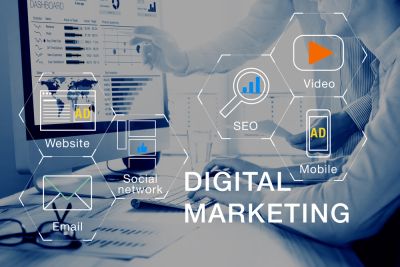
Marketers are truly pulling out all the stops in order to reach their target audiences and create meaningful connections with them through different ways and several platforms. Considering the speed at which the market is growing, marketers have no other choice but to stay adaptable with their strategies and approaches.

Artificial Intelligence (AI) has now emerged as the foundation of innovation in the exciting world of technology. As a result, there's a burgeoning market for AI courses, promising to teach skills ranging from basic programming to advanced machine learning concepts. However, amidst this educational boom lies a significant pitfall: AI courses offered by unqualified individuals or 'hacks.' So, let’s take a look at why it's crucial to be vigilant when choosing AI courses and how to spot and avoid courses that may be worthless.

The influx of Artificial Intelligence (AI) tools has been nothing short of a revolution in the digital marketing industry. However, amidst this technological surge, a word of caution is necessary. Marketing strategists have observed a significant disparity in the effectiveness of various AI tools, notably between generalised platforms and specialised solutions like Robotic Marketer.
In the marketing universe, the essence of a great website lies in its ability to connect, engage and rank effectively on search engines. As we embark on 2024, it's time to humanise our approach to SEO and ensure our websites speak both to our audience and search algorithms. Here’s a guide specially created for you to understand and simplify the intricacies of updating your website for SEO in 2024.

When faced with the challenge of a competitor beating you on a keyword, there are several strategic actions you can take to improve your standings and even surpass them in search rankings. Here's a comprehensive approach based on insights from industry experts:

In the vibrant marketing industry, cultivating the skills and performance of in-house marketing managers is extremely important for sustained business success. Let’s look at ten essential tips to develop your marketing managers, ensuring they stay ahead of the curve in strategy, execution and innovation.

The promising logistics industry, full of lucrative opportunities, has undergone some major transformations over the years and the same holds true for marketing strategies within logistics. Drawing from insights shared by experts and best practices in the industry, here's a comprehensive look at effective logistics marketing strategies and activities that businesses can adopt.

Over the years, the role of marketing consultants in the digital marketing industry has undergone a significant transformation. They have seen a major transformation from prints to pixels. The advent of artificial intelligence (AI) in the marketing domain has not only revolutionised strategies and tools but has also reshaped the very essence of consultancy roles. As businesses grapple with these changes, especially those engaging with marketing agencies in Melbourne, Sydney and other global hubs, understanding how to extract value from marketing consultants has become more crucial than ever.

Whether in today's cutthroat competitive marketing industry or the industry of two decades ago, the key to creating successful and popular marketing campaigns has always been crafting content that resonates with your audience. Developing a customer-centric digital marketing strategy is not just about algorithms and analytics; it's about understanding your audience's needs and delivering content that addresses them. In this comprehensive guide, we'll delve into the foundational tips essential for creating customer-centric content that captivates and converts on leading digital platforms.

Nowadays even a simple search on LinkedIn for the words 'marketing' or 'marketer' yields over 10.6 million profiles worldwide. In this saturated digital industry, being creative and fresh in your content is the key to making a lasting mark. Whether you're writing your 10th blog for the day or planning your 15th campaign, the key to maintaining freshness lies in embracing a mindset of continuous learning. Here's a guide to help marketers infuse vitality into their content, ensuring each piece is not just another drop in the vast digital ocean but a resonant ripple that captivates the audience.

Elon Musk, a name synonymous with disruption, has been at the forefront of revolutionising industries from automotive to aerospace. His unconventional approaches have not just redefined traditional business models but also the essence of marketing itself. Let’s take a look at Musk's unique marketing prowess, particularly focusing on the Cybertruck launch, and ponder whether marketing is his next frontier to conquer.

Within the lively digital industry, where new platforms emerge frequently, your Shopify site acts as your global showcase. To stand out, you need more than just an attractive design and a range of products; you need a powerful tool to connect with customers and drive sales. This is where Klaviyo comes in. Klaviyo is an email marketing platform specifically designed for e-commerce businesses. Let us learn about why integrating Klaviyo with your Shopify website can be a game-changer, providing educational insights and actionable strategies to amplify your online presence.

In a time of persistent digital evolution, marketing strategies have seen significant shifts. The advent of AI Marketing and AI Social Media Strategy has revolutionized how businesses interact with their customers. Social Media Marketing Agencies have become pivotal in navigating this digital landscape, offering innovative solutions to stay ahead in a competitive market.

To excel in digital marketing, continuous strategy reassessment is imperative. Conventional methods are giving way to innovative, personalised approaches, especially in email marketing. Emails, once simple outreach tools, now create direct, personal connections, standing out in the inbox for brand loyalty and meaningful interactions. Unlike broader social media, emails are tailored conversations, remaining reliable for driving engagement and conversions.